What Is a Liquid?
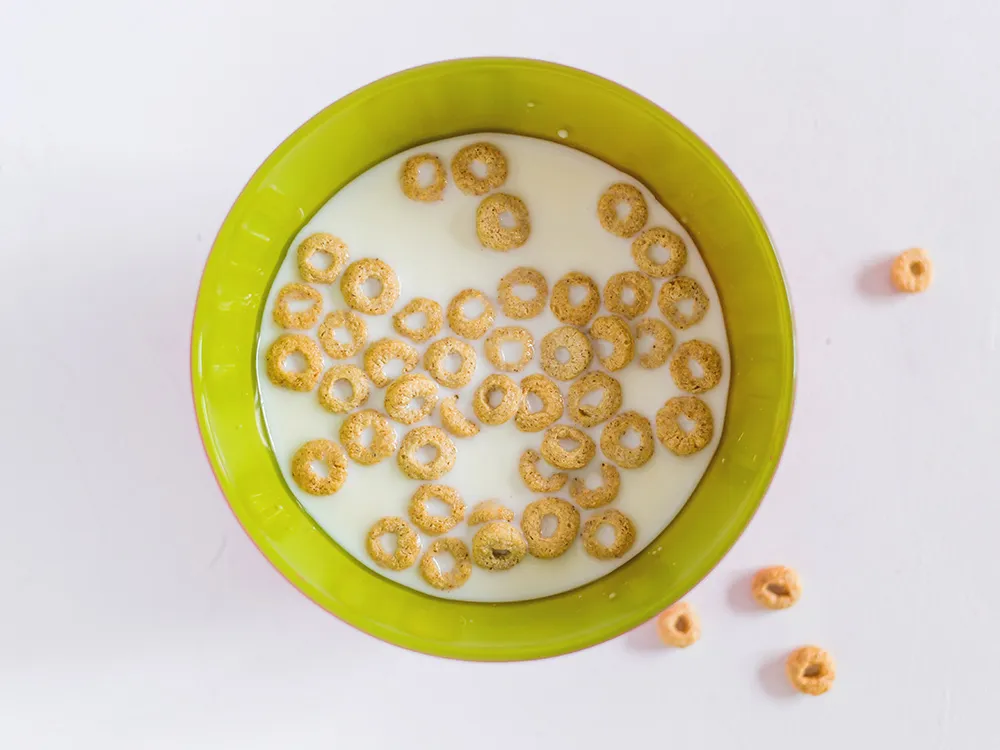
A liquid is a phase of matter that has a definite volume but no fixed shape. Unlike solids, the particles in a liquid are not held in fixed positions and can move past one another, allowing liquids to flow and take the shape of their container. However, the particles are still relatively close together, which gives liquids their definite volume. Liquids are less compressible than gases but more compressible than solids. Common examples of liquids include water, oil, mercury, and alcohol.

Particle Arrangement and Movement in Liquids
In liquids, particles are close together but not in fixed positions. They can move past one another, which allows liquids to flow and take the shape of their container. The particles in a liquid have more kinetic energy than those in a solid, but less than those in a gas. This intermediate arrangement gives liquids their unique properties: they maintain a definite volume but do not have a fixed shape.

Properties and Types of Liquids
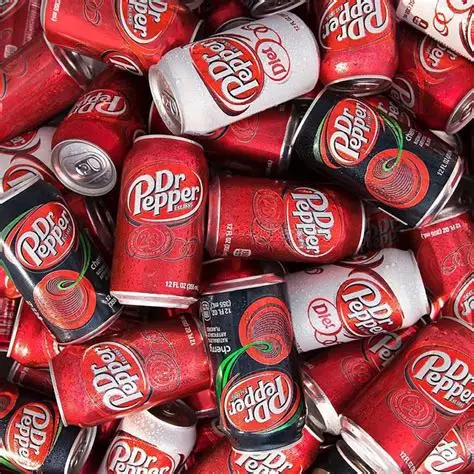
Liquids have several important properties, including viscosity, surface tension, and density. Viscosity describes how easily a liquid flows, with honey flowing more slowly than water. Surface tension is the result of attractive forces at a liquid’s surface, allowing small objects or insects to rest on water. Some liquids are classified as pure substances, like distilled water, while others are mixtures or solutions, such as saltwater or soda. These properties affect how liquids behave in different situations.
How Liquids Change Phase
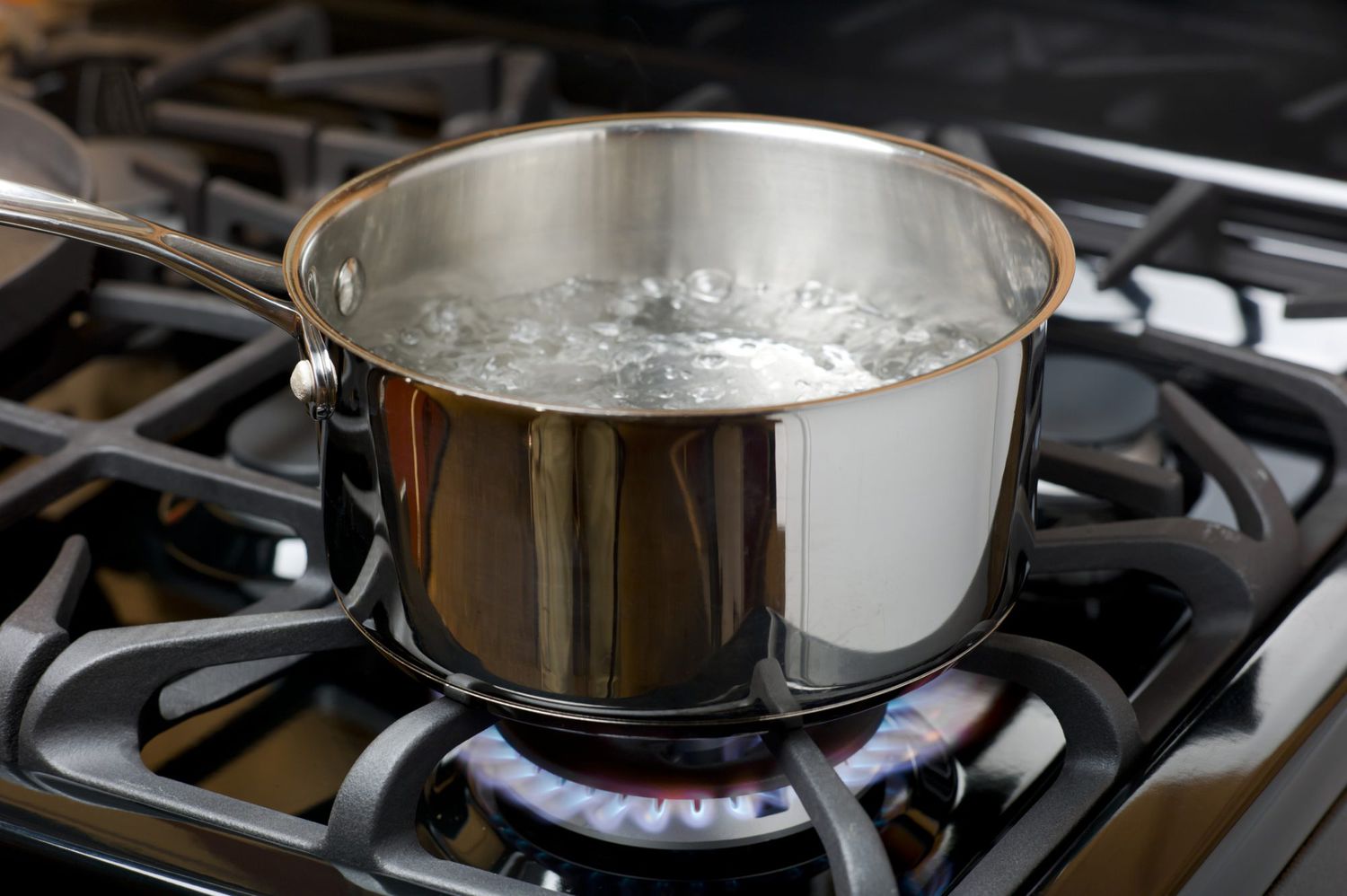
Liquids change phase when they gain or lose energy. When a liquid absorbs enough heat, the particles vibrate more intensely until they overcome the forces holding them in place, allowing them to transition into a gas phase through evaporation or boiling. Conversely, when a liquid loses energy, particles slow down and may form a solid through freezing. The temperature at which this transition occurs is known as the boiling point for vaporization and the freezing point for solidification.
Importance of Liquids in Everyday Life
Liquids are essential to life and play a key role in natural and human systems. Water supports all known forms of life and is vital for drinking, cleaning, and agriculture. Many industrial processes rely on liquids for cooling, lubrication, and chemical reactions. In the natural world, liquids are involved in weather, erosion, and the water cycle. Understanding how liquids behave helps scientists, engineers, and medical professionals develop technologies that improve health, safety, and daily living.